
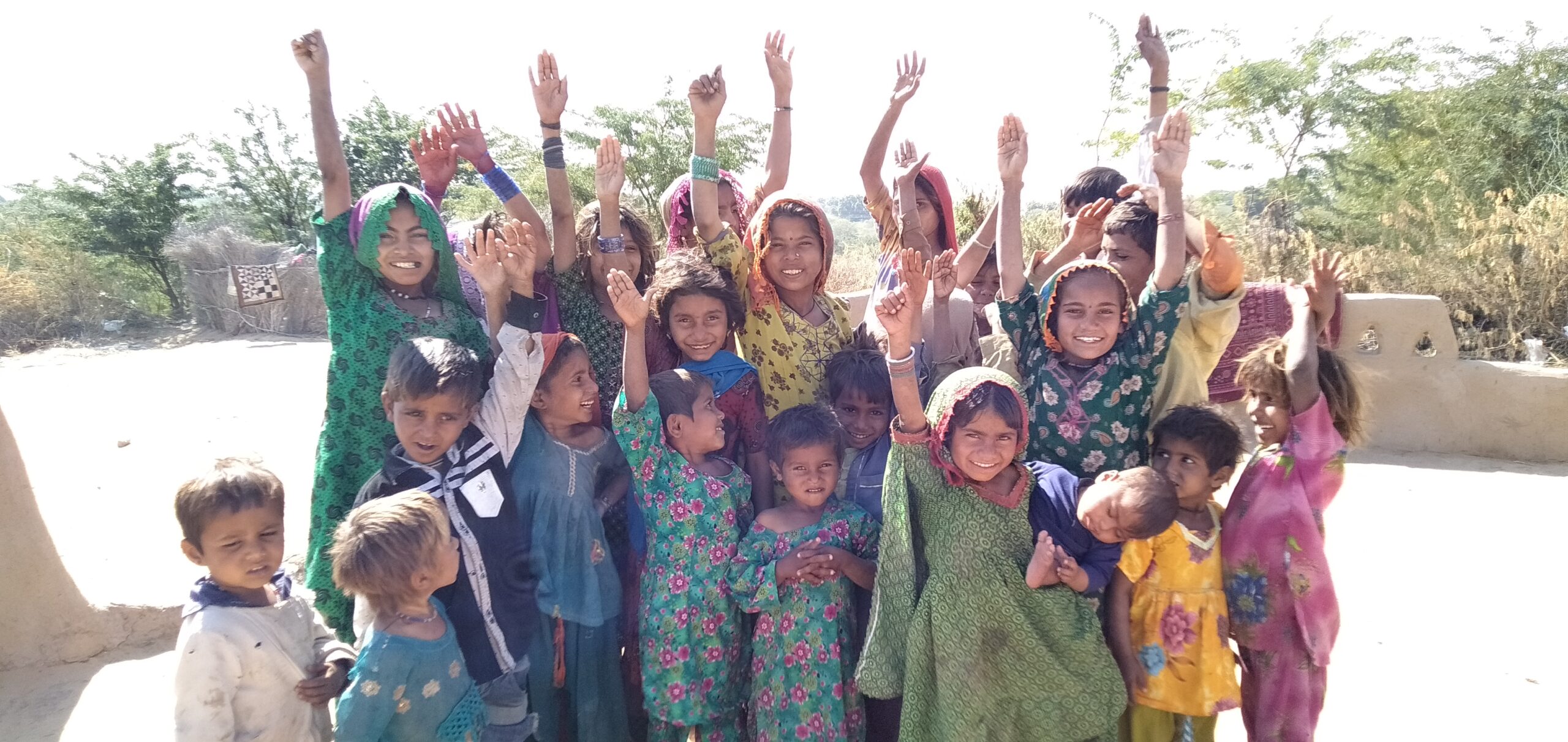
Over the past three decades, District Development Association, Tharparkar (DDAT) has delivered humanitarian assistance and development programs that have improved access to basic services, strengthened livelihoods, and enhanced resilience for marginalized communities in rural Sindh. Our impact is rooted in long-term community engagement, locally led implementation, and strong partnerships with government and development agencies.
Experience & Reach
• Established in 1992 with over 30 years of field-based experience
• Active operations across Tharparkar, Umerkot, and Mirpurkhas districts
• Trusted partner of UN agencies, government departments, and international NGOs
• Proven capacity in both humanitarian response and long-term development programming
Sectoral Impact Highlights
Water, Sanitation & Hygiene (WASH)
Thousands of households have gained access to safe drinking water, improved sanitation facilities, and hygiene awareness through sustainable water systems, school and community WASH infrastructure, and behavior change initiatives.
Education & Learning Access
DDAT has supported the enrollment and retention of out-of-school children, strengthened non-formal education centers, and improved learning environments for girls and marginalized learners in hard-to-reach communities.
Livelihoods & Economic Empowerment
Through skills development, vocational training, and micro-enterprise support, DDAT has helped vulnerable households diversify incomes, enhance productivity, and strengthen economic resilience.
Food Security & Nutrition
Our integrated food security and nutrition initiatives have improved dietary diversity, nutrition awareness, and household food access, particularly for women and children in drought-prone areas.
Climate Resilience & Humanitarian Response
DDAT has supported communities to prepare for, respond to, and recover from climate shocks through disaster preparedness, early response mechanisms, and timely humanitarian assistance during floods and droughts.
Measuring Impact
DDAT applies strong monitoring, evaluation, accountability, and learning (MEAL) systems to track progress, ensure transparency, and continuously improve program quality and effectiveness.
Over the past three decades, DDAT has delivered measurable and lasting impact across multiple sectors in Tharparkar, Umerkot, and Mirpurkhas districts.
Water, Sanitation & Hygiene (WASH)
• 2500+ Households with improved access to safe drinking water
• 300+ Handpumps, water points, and rainwater harvesting systems installed or rehabilitated
• 300+ Schools and Community Facilities supported with improved sanitation and hygiene infrastructure
• 40,000+ Individuals reached through hygiene promotion and behavior change activities
Education & Learning Access
• 15,000+ Out-of-School Children enrolled or supported through formal and non-formal education
• 20+ Community Learning Centers established or strengthened
• 500+ Teachers and facilitators trained in child-centered and inclusive education approaches
• Strong focus on girls’ education in remote and underserved communities
Livelihoods & Economic Empowerment
• 2000+ Households supported with livelihood assets, skills training, or micro-enterprise development
• 500+ Women supported in income-generating activities and vocational skills
• Multiple value chains strengthened, including livestock, agriculture, and small enterprises
Food Security & Nutrition
• 20,000+ Households supported through food security and nutrition interventions
• 20,000+ Women and Children reached with nutrition awareness and dietary diversity initiatives
• Climate-resilient agriculture and livestock practices promoted in drought-prone areas
Climate Resilience, DRR & Humanitarian Response
• 150+ Communities supported with disaster preparedness and DRR planning
• 100,000+ People assisted through emergency response during floods, droughts, and climate shocks
• Early warning, preparedness, and recovery support linked with long-term resilience building
Accountability & Learning
All programs are supported by robust MEAL systems, community feedback mechanisms, and regular learning reviews to ensure quality, transparency, and continuous improvement.