
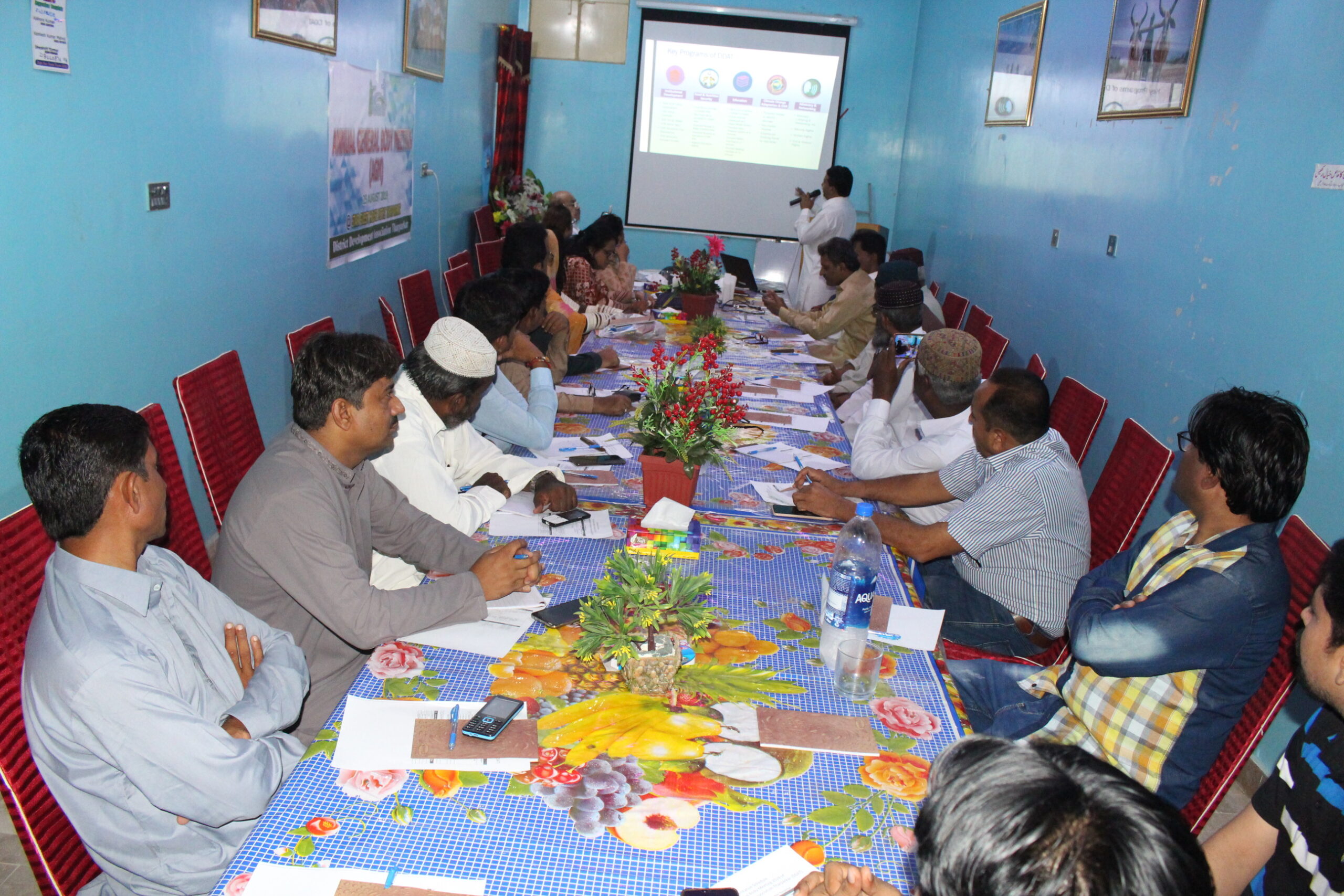
DDAT implements integrated humanitarian and development programs to address the root causes of poverty, vulnerability, and exclusion in rural Sindh. Our work combines community-led development, climate resilience, and humanitarian action to deliver sustainable outcomes for marginalized populations, particularly in drought-prone and climate-affected districts.
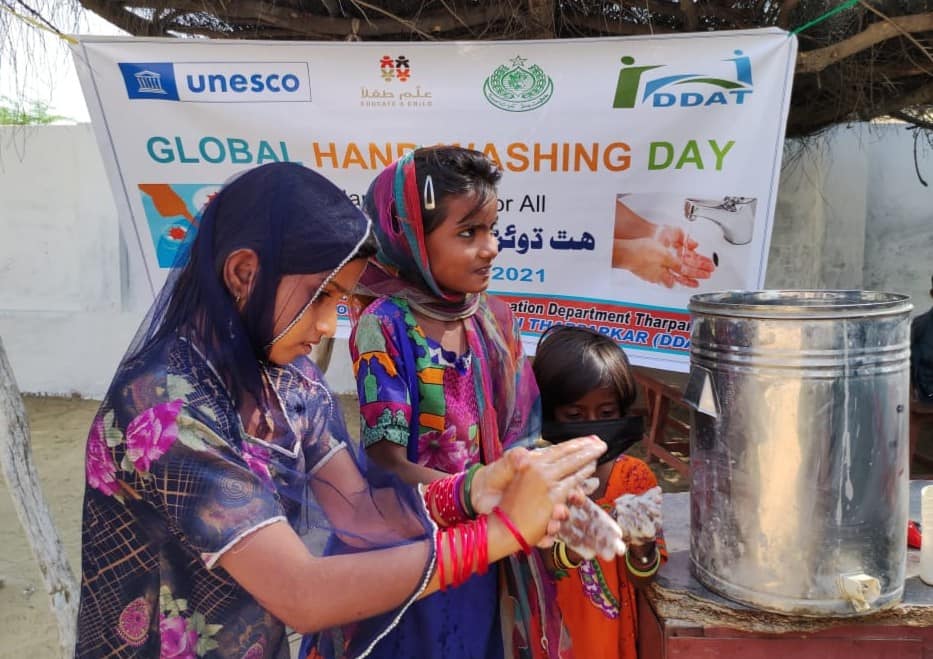
DDAT implements integrated WASH interventions to improve public health and dignity in water-scarce and underserved rural communities. Our work focuses on sustainable water solutions such as rainwater harvesting, improved sanitation facilities, school and community WASH infrastructure, hygiene promotion, and menstrual hygiene management. These interventions are designed to reduce waterborne diseases, enhance school attendance, and strengthen community resilience in arid and climate-vulnerable contexts.
DDAT works to expand equitable access to quality learning opportunities for children, adolescents, and adults in underserved rural communities. Our education interventions focus on enrolling out-of-school children, strengthening non-formal and alternative learning pathways, supporting girls’ education, and ensuring learning continuity in fragile and emergency contexts. Through community-based approaches, DDAT promotes inclusive, safe, and relevant learning for marginalized populations.
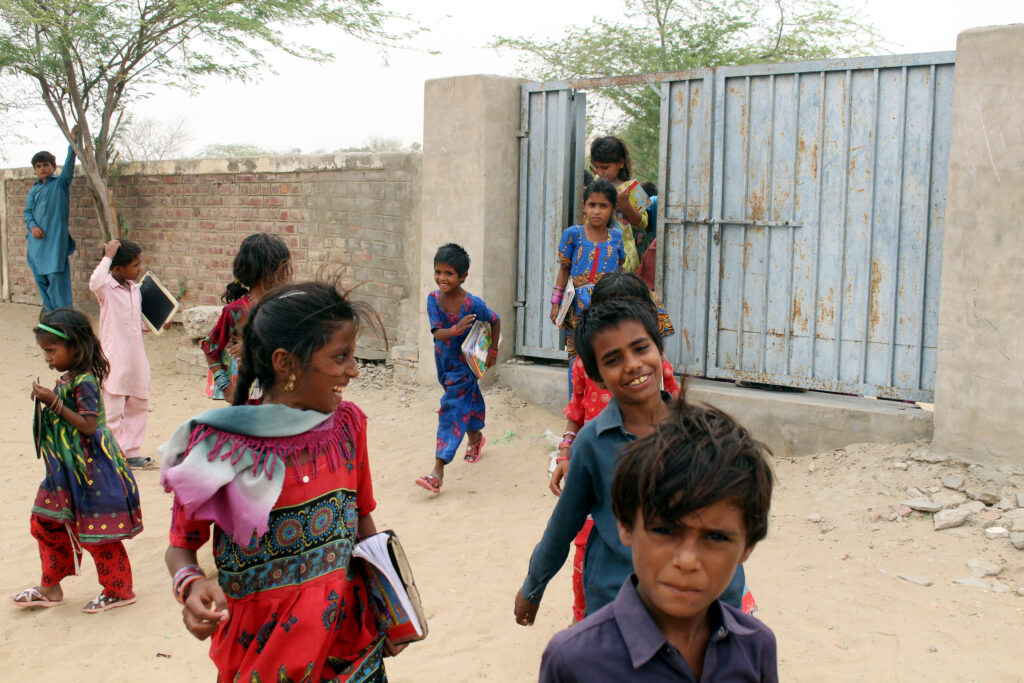
DDAT works to expand equitable access to quality learning opportunities for children, adolescents, and adults in underserved rural communities. Our education interventions focus on enrolling out-of-school children, strengthening non-formal and alternative learning pathways, supporting girls’ education, and ensuring learning continuity in fragile and emergency contexts. Through community-based approaches, DDAT promotes inclusive, safe, and relevant learning for marginalized populations.
DDAT promotes sustainable livelihoods and economic self-reliance among vulnerable households by expanding access to skills development, income-generating opportunities, and local market systems. Our programs support vocational training, micro-enterprise development, value-chain linkages, and women’s economic participation. By strengthening household incomes and productive capacities, DDAT helps communities reduce poverty and build long-term resilience against economic and climate shocks.
Food Security & Nutrition
DDAT addresses chronic food insecurity and malnutrition through integrated food security and nutrition interventions tailored to drought-prone and resource-constrained environments. Our approach promotes climate-resilient agriculture, livestock-based livelihoods, nutrition awareness, and diversified
Climate Resilience, DRR & Humanitarian Response
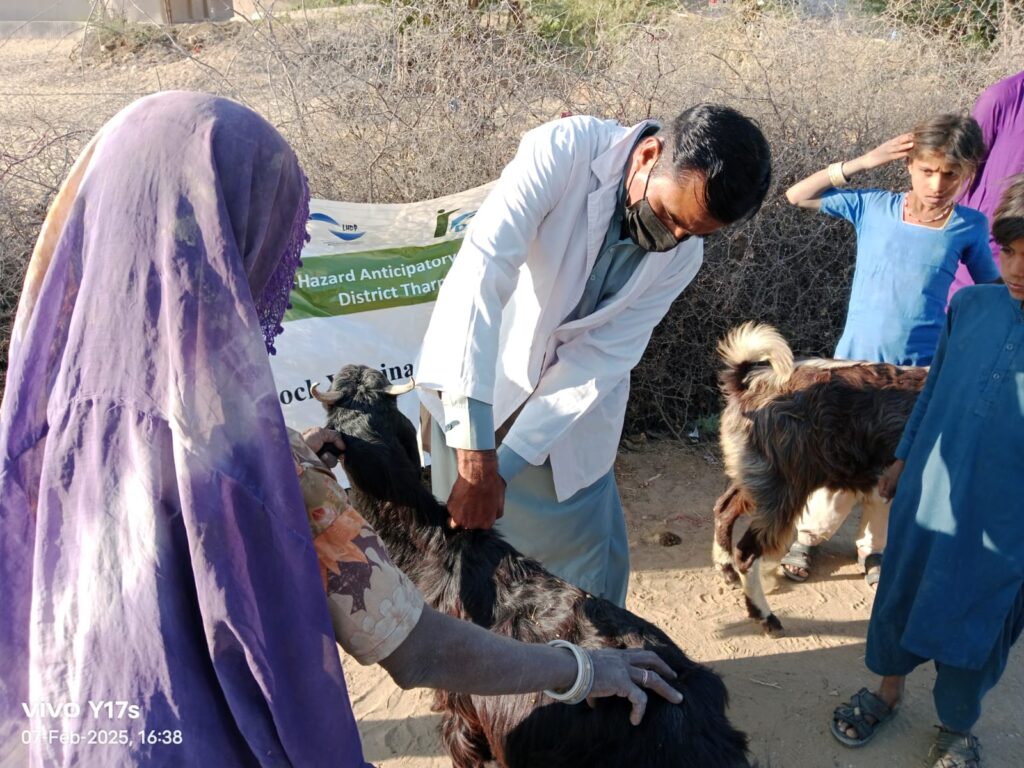
DDAT strengthens community resilience to climate-induced risks and humanitarian crises through an integrated approach that combines disaster risk reduction, anticipatory action, and emergency response. Our work includes preparedness planning, early warning mechanisms, community-based DRR initiatives, and timely humanitarian assistance during floods, droughts, and other shocks. By linking immediate response with long-term adaptation and recovery, DDAT supports vulnerable communities to withstand, adapt to, and recover from recurrent crises
Across all thematic areas, DDAT integrates gender equality and social inclusion, protection and safeguarding, climate and environmental sustainability, community participation, and monitoring, evaluation, and learning (MEL) to ensure accountable, inclusive, and impact-driven programming.